Source Square Embossed Glass Liquor Decanter for Home, Bar, and Gift
Explore 30 square embossed glass liquor decanter options from verified suppliers. Buyers can compare capacities, certifications, and customization features for home, bar, or promotional use.
Key considerations
Products List


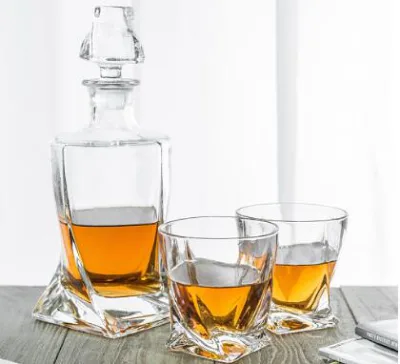
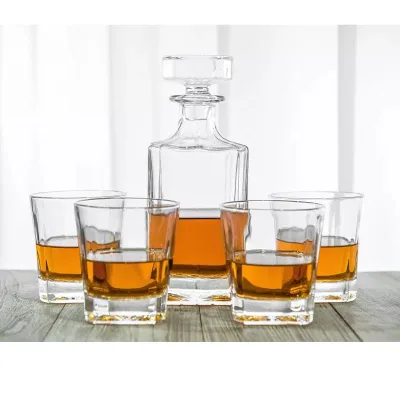
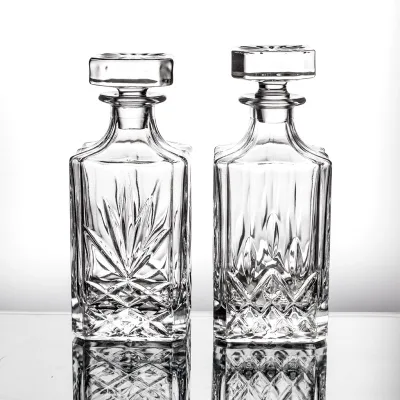
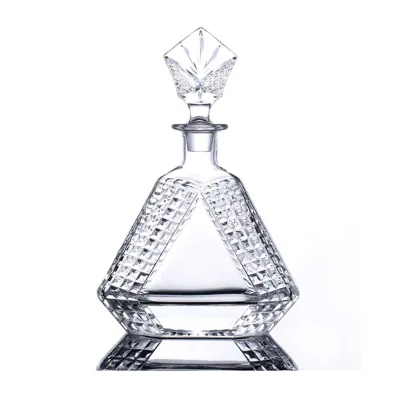


Comprehensive Sourcing Guide
Strategic Sourcing Guide for Square Embossed Glass Liquor Decanters
Understanding Product Variability and Core Specifications
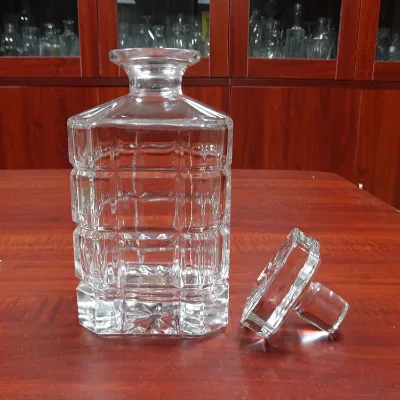
When sourcing square embossed glass liquor decanters, buyers must first navigate the inherent variability in product definitions found within the global marketplace. The term "square embossed" implies a specific geometric form and surface texture, yet the actual inventory often spans a spectrum of shapes, materials, and capacities that may or may not align perfectly with this description. Based on observed market data, the category includes products ranging from simple glass bottles to complex gift sets. A critical observation is that while some listings explicitly describe a "Horn-Shaped" or "Classic" design, others focus on "Melt Glass" or "Crystal Glass" without confirming the square profile. Therefore, the initial step in procurement is not to assume a universal standard but to verify the physical geometry of the specific SKU.
The material composition is a primary differentiator. The supply chain presents options ranging from standard "Melt Glass" to "High Borosilicate Glass" and "Crystal Glass." High borosilicate glass is often preferred for its thermal resistance and durability, which is a crucial factor if the decanter is intended for commercial use or frequent handling. Conversely, crystal glass offers a specific aesthetic clarity and weight that may be required for luxury gift sets. Buyers must scrutinize the "Glass Type" attribute for each potential supplier. Furthermore, the embossing process itself is not always uniform; some products feature "Customized Logo Acceptable" alongside the embossing, while others may have a "Non-Customized" status where the design is fixed. The capacity also varies significantly, with observed ranges spanning from 250-500 ml up to 751-1000 ml. A square decanter intended for whiskey might require a larger volume, whereas a smaller capacity might be suitable for premium tasting sets.
Technical Attributes and Functional Design
The functional design of a square embossed glass decanter extends beyond its visual appeal to include practical features that affect usability. In the current market, specific design elements such as a "Wide Base for Stability" and a "Long Neck for Easy Handling" are highlighted as key features for certain models. These attributes are essential for preventing spills and ensuring the decanter remains secure on a bar or table. Additionally, the presence of a "Sediment Filter" and "Drip-Free Pouring" capabilities distinguishes high-performance decanters from basic storage bottles. Buyers should verify if the specific square embossed model includes a lid, as some listings describe a "Glass Decanter with Lid" while others do not mention a closure mechanism.
The surface finish and color are also critical technical specifications. While many listings indicate a "Transparent" or "Clear" finish, others specify "Unicolor" or specific design styles like "Casual," "Classic," "Modern," or "Morden Luxury." The embossing technique itself can alter the light refraction and tactile feel of the glass. It is important to note that some products are described as "Hand Made," which implies a higher degree of variability in the final product compared to machine-pressed glass. This manual aspect can influence the consistency of the embossing depth and the overall square geometry. Buyers must also consider the "Dishwasher Safe" attribute, as the market shows a split between products marked "Yes" and those marked "No." For commercial applications where frequent cleaning is required, confirming dishwasher compatibility is a non-negotiable technical check.
Compliance, Certification, and Regulatory Standards
Navigating the regulatory landscape is paramount when importing glass decanters, particularly those intended for food and beverage contact. The supply chain data indicates a diverse array of certifications held by different manufacturers. Common certifications observed include "FDA," "LFGB," "CE / EU," "EEC," "Dgccrf," and "CIQ." These certifications are not universal; a single product listing may carry one or a combination of these, while another may lack them entirely. For instance, some products are certified under "FDA, LFGB," while others hold a broader set including "CE / EU" and "Dgccrf."
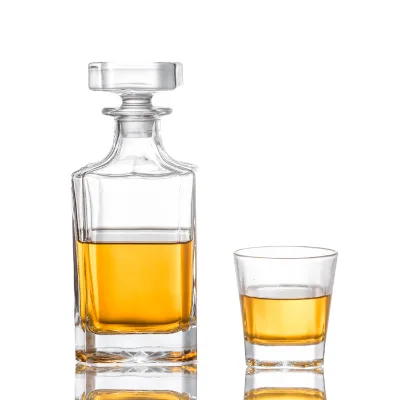
Buyers must verify that the specific square embossed decanter they intend to purchase holds the necessary certifications for their target market. If the product is destined for the European Union, "CE / EU" and "LFGB" are critical indicators of compliance with food safety standards. For the United States, "FDA" certification is the primary benchmark. The presence of "EEC" and "Dgccrf" suggests compliance with specific European directives, which is vital for importers in those regions. It is important to treat these certifications as observations of specific supplier capabilities rather than guarantees that every listed product satisfies them. The "Standard" attribute in the supply data often lists "customized" or specific product standards like "750ml bottle+310ml tumber," but buyers should request official documentation to confirm that the specific batch meets the required regulatory thresholds.
Cost Drivers and Pricing Dynamics
The pricing of square embossed glass liquor decanters is influenced by a complex interplay of material costs, manufacturing complexity, and order volume. The observed price range in the market is extensive, spanning from $0.23 to $17.20 USD. This wide disparity is driven by several factors. The material type is a primary cost driver; "Crystal Glass" and "High Borosilicate Glass" typically command higher prices than standard "Melt Glass." Additionally, the complexity of the embossing and the inclusion of accessories, such as a "Whiskey Decanter Gift Set" which may include tumblers or a "Color Box," significantly increases the unit cost.
Order Volume is another critical determinant of price. The Minimum Order Quantity (MOQ) ranges from 100 to 50,000 units. Suppliers offering lower MOQs, such as 100 units, may charge a premium per unit to cover setup costs, whereas bulk orders approaching 50,000 units can access the lower end of the price spectrum. The "Customization" attribute also impacts cost. Products with "Customized Logo Acceptable" or "Customized Packaging Acceptable" often incur additional tooling and setup fees. Furthermore, the "Packing" method, whether it is "Each Packed in a Polybag" or "Foam +Color Box+Master Carton," adds to the overall cost structure. Buyers must balance the desire for customization and premium packaging against the budget constraints imposed by the MOQ and unit price.
Supplier Evaluation and Operational Capabilities
Evaluating suppliers for square embossed glass decanters requires a focus on their operational capabilities and geographic origins. The data indicates that the primary place of origin is "China," with specific mentions of "Chongqing" as a manufacturing hub. This concentration suggests a mature supply chain with specialized expertise in glass production. However, buyers must assess the supplier's ability to handle "Customized" requests. Some suppliers explicitly state "Customization: Available," while others list "Non-Customized" options. The ability to produce "Hand Made" items versus machine-pressed goods is another differentiator.
The "Group" attribute, listed as "Universal" in some contexts, suggests a broad product range, but buyers should verify if the supplier specializes in glass decanters or if they are a generalist trading company. The "Product Name" and "Design Style" listed by suppliers can serve as indicators of their aesthetic focus. For example, a supplier offering "Whiskey Decanter Gift Set" with "Morden Luxury" design styles may be better suited for high-end clients than one offering generic "Home Office Decoration" items. The "Logo" and "Packing" customization options are also key indicators of a supplier's flexibility. A supplier that accepts "Customized Logo" and "Customized Packaging" demonstrates a higher level of service readiness for branded procurement.
Quality Control and Inspection Protocols
Implementing a robust quality control (QC) protocol is essential to ensure that the square embossed glass decanters meet the required standards. Given the manual nature of some production processes, such as "Hand Made" items, there is a higher risk of variability in dimensions and surface finish. Buyers should establish clear acceptance criteria for the "Square" geometry and the depth of the "Embossing." Visual inspection should be conducted to check for defects such as bubbles, cracks, or uneven coloring, which are common issues in glass manufacturing.
The "Dishwasher Safe" attribute requires specific testing to verify durability. If a supplier claims a product is dishwasher safe, buyers should request test results or a warranty statement confirming that the glass and any embossed elements will not degrade under high-temperature washing cycles. For products intended for commercial use, the "Stability" of the "Wide Base" must be verified to ensure the decanter does not tip over easily. Additionally, the "Sediment Filter" and "Drip-Free Pouring" features should be tested in a functional setting to ensure they perform as advertised. The "Packing" method, whether it involves "Foam" or "Polybag," must be sufficient to protect the glass during transit, especially given the fragility of the material.
Long-Term Procurement and Strategic Considerations
Sourcing square embossed glass liquor decanters is not merely a transactional activity but a strategic decision that impacts brand reputation and supply chain resilience. Buyers should consider the long-term availability of the product, especially if it involves "Customized" designs or specific "Glass Type" materials. The "Standard" attribute, which may be listed as "customized," implies that the product is not off-the-shelf, which could lead to longer lead times or higher risks of discontinuation.
The "Usage" of the product, ranging from "Home" to "Commercial Gift Advertising Promotion," dictates the required quality level and durability. For commercial applications, the supplier's ability to scale production to meet fluctuating demand is crucial. The "MOQ" range of 100 to 50,000 units offers flexibility, but buyers must align their order volumes with their sales forecasts to avoid overstocking or stockouts. Furthermore, the "Certification" status must be maintained over time; suppliers should be required to provide updated certification documents to ensure ongoing compliance with changing regulations. Finally, the "Place of Origin" and "Lead Time" (though not explicitly detailed in the data, implied by the location) should be factored into the logistics planning to ensure timely delivery. By carefully evaluating these factors, buyers can secure a reliable supply of high-quality square embossed glass liquor decanters that meet their specific business needs.
Comparative Analysis of Product Attributes
To facilitate a clearer understanding of the market landscape, the following table summarizes the key attributes observed in the supply chain. This comparison highlights the diversity in specifications, certifications, and capabilities that buyers must navigate when selecting a supplier for square embossed glass liquor decanters.
| Attribute Category | Observed Variations | Key Verification Points |
|---|---|---|
| Material | Melt Glass, High Borosilicate Glass, Crystal Glass | Verify thermal resistance and clarity requirements. |
| Certification | FDA, LFGB, CE/EU, EEC, Dgccrf, CIQ | Match certifications to target market regulations. |
| Capacity | 250-500 ml, 751-1000 ml | Confirm volume aligns with intended usage (e.g., whiskey vs. wine). |
| Customization | Available, Non-Customized, Customized Logo | Assess flexibility for branding and packaging needs. |
| Packing | Polybag, Foam + Color Box + Master Carton, Carton | Ensure packaging protects against breakage during transit. |
| Dishwasher Safe | Yes, No | Critical for commercial and high-frequency use scenarios. |
| Origin | China (including Chongqing) | Evaluate logistics costs and lead times based on location. |
| Design Style | Classic, Modern, Morden Luxury, Casual | Align aesthetic with brand identity and target audience. |
This structured approach to sourcing ensures that buyers can make informed decisions based on verified data rather than assumptions, ultimately leading to a more successful procurement outcome for square embossed glass liquor decanters.
FAQs
Can square embossed glass liquor decanters be customized with logos?
Yes, customization is available for many models in the supply chain. Buyers can request customized logos and packaging, though some specific listings may offer non-customized options depending on the supplier.
What certifications do these glass decanters typically hold?
Common certifications include FDA, LFGB, and CE / EU, with some products also holding EEC, Dgccrf, or CIQ approvals. Buyers must verify specific certifications for each SKU as they vary by manufacturer.
How much do square embossed glass liquor decanters cost per unit?
Prices range from 0.23 to 17.2 USD depending on material and customization. Crystal glass and gift sets command higher prices, while standard melt glass options are more affordable.
Which capacity options are available for these glass decanters?
Observed capacities span from 250-500 ml up to 751-1000 ml. Buyers should check specific product models to confirm the exact volume required for their intended use.
Are these glass decanters safe for use in dishwashers?
Dishwasher safety varies by product, with some models marked as yes and others as no. Buyers must verify this attribute for each specific listing before purchasing for commercial or frequent home use.
What is the minimum order quantity for these decanters?
The minimum order quantity ranges from 100 to 50000 units depending on the supplier. Lower MOQs may incur higher unit costs, while bulk orders access lower price points.
Where are these glass decanters manufactured?
The primary place of origin is China, with specific manufacturing hubs like Chongqing. Buyers should confirm the exact location for each supplier to assess logistics and lead times.